

1.有哪些英语谚语的典故
Playing the Lute to a Cow 对牛弹琴 In ancient times was a man who played the zither very well. Once, he played a tune in front of a cow, hoping that the cow would appreciate it. The tune was melodious ,but the cow showed no reaction, and just kept on eating grass. The man sighed, and went away. This idiom is used to indicate[5IndIket]reasoning with stubborn[5stQbLn]people or talking to the wrong audience。
2.有哪些英语谚语的典故一、源于历史故事或历史事件。
历史上出现过众多的著名历史故事或事件,后人常用一简洁说法表达其内容,沿用久了就成了成语。如Sword damocles出自古代希腊的一则历史故事。
业通古希腊历史、文学的罗马杰出作家与政论家西塞罗(106BC?3BC)在其论文《图斯库拉的谈话》中写道:“纪元前4世纪西西里岛上叙拉古的统治者狄奥尼修斯一世(406BC?67BC)有个亲信的佞叫达摩克里斯,他很羡慕帝王的豪华生活,常说:“君王是人世间最幸福的人”。狄奥尼修斯为了教训这个想得君位者,在一次宴会上,要他坐在国王的宝座上,当他猛然抬头,只见头顶上有一把用头发悬着的宝剑,随时都刺到头顶的危险。
他吓得战战兢兢,如坐针毡,时刻提心吊胆,惶惶不安。由此便产生了“达摩克里斯的宝剑”这个成语,它被用来比喻临头的危险或情况的危急,类似于汉语的“千钧一发”。
又如burn one's boats(bridges),此成语中的bridges为美国人所使用,原指古罗马朱力斯·凯撒大军乘船越过Rubicon后就把船烧了,以此向士兵指明后路已断,不可能后退。现借用来比喻“不留后路,下定决心干到底”,同汉语的“破釜沉舟“。
二、源于寓言故事。寓言是用比喻的形式说明一定的道理,是文学作品中最为短小精练的一种形式。
如kill the goose to get the eggs,源于希腊寓言,说的是曾有一个乡下人,因为发财心切杀死了自己饲养的那只能下金蛋的鹅,以为如此就可一次获得全部想象中的金块,但其结果一无所获。现借比喻只贪图眼前利益,没有长远打算。
但汉语中不说“杀鹅取卵”而说“杀鸡取卵”,喻体不同,因此汉译时须遵循汉语成语的搭配规律。又如Veper and File出自《伊索寓言》,说的是一条蝰蛇(Viper)发现一把铁锉(File),以为是一顿美餐。
但铁锉说,它的天职是咬别人,而不是被别人咬。后人借此比喻“骗人者反受人骗”,汉译时要作直译或意译处理。
三、源于神话故事。神话是关于神仙或神化的古代英雄的故事,是古代人们对自然现象和社会生活的一种天真的解释和美好向往。
如rain cats and dogs,源于北欧神话,猫对天气有很大影响,英国水手至今说:“猫尾巴藏大风”。据说驾暴风雨的巫士化为猫形。
狗是风的信号,狗和狼都是暴风雨神奥丁的随从。在德国古画中,风被画成狗头和狼头。
因此,猫被年作暴雨的象征,狗是伴随暴雨的强风,to rain cats and dogs就是to rain heavily/hard,汉译便为“下倾盆大到雨”。又如Analthea's horn,汉译常为“丰饶的羊角”。
阿玛尔忒亚(Amalthea),希腊祖籍中一神女,是宙斯(Zeus为主神,相当于罗马神话中的朱庇特Jupiter)的保姆。婴儿时宙斯由神女阿玛尔忒亚喂以羊乳。
为了感思,宙斯敲下一羊角送给她。许诺让羊角主人永远丰饶。
四、传说。传说指的是人们口头流传下来的关于某人某事的叙述。
如swan song,据传说,音乐之神阿波罗(Apollo)的灵魂进入了一只天鹅,由此产生了毕达哥斯寓言:所有杰出诗人的灵魂都进入天鹅体内。另据相传天鹅(swan)在临终前唱的歌最优美动听。
后人就用swan song来比喻诗人、作曲家、演员等的“最后作品”,这也是其汉译形式。又如Leave no stone unturned,相传公元前447年波斯奖军马多尼奥斯在希腊的普拉蒂亚兵败被杀后,留下一大批财宝在军帐里。
底比斯的波利克拉特斯搜寻却一无所获,请示德尔斐神谕后知道要“翻转所有的石头”,最后找到了财宝。现借此比喻想方设法等,汉译为“千方百计,想尽办法”。
五、源于民间飞俗。如a bird of ill omen,源出古代占卜风俗,延至今日,猫头鹰、鹳则被视为吉祥鸟)。
渡鸟嗅觉灵敏,能确定远方死尸和腐尸地点。因此渡鸟象征死亡。
猫头鹰在恶劣天气来临之前喊叫,而坏天气常带来疾病,故猫头鹰被视为丧鸟,阴森之鸟。后人以此比喻“不吉利的人,常带来不幸消息的人”,汉译也是如此。
又如a feather in your cap,汉译为“值得荣耀的事、荣誉”。源于广泛流行于亚洲和美洲印第安人当中的一种风俗:每杀死一个敌人就在头饰或帽子上加插一根羽毛。
古代吕西亚人和许多其他古人也有类似风俗,均以此来显示战绩与荣誉。六、源于谚语。
谚语是在人闪中间流传的固定语句,用简单通俗的话反映出深刻的道理,是社会生活经验的总结。如birds of a feather,birds of a feather flock together.即“物以类聚,人以群分”,转义为“一丘之貉”。
在《鲁迅全集》中有这样一句:“增加混乱的倒是有些悲观论者……将一切作者诋为‘一丘之貉’”。其英译为In fact it is these pessimists who increase the chaos by…considering all writers birds of a feather.又如 early bird,其汉泽为“早起者,早到的人”,源出谚语The early bird gets/catches the worm.意为“捷足先登(得),先下手为强”。
比较First come,first served.意指“先到的先招待”,与前一个有所不同。七、源于某些作品。
英语中有较好的成语出自某些作品,有的是原封未动的摘引,有的是节缩而成。如wash one's hands of a thing,可译为“洗手不干……;与……断绝关系”。
出自《马太福音》,犹太巡抚彼拉多主持审判耶稣,由于他判定。
3.有哪些英语谚语的典故一、源于历史故事或历史事件。
历史上出现过众多的著名历史故事或事件,后人常用一简洁说法表达其内容,沿用久了就成了成语。如Sword damocles出自古代希腊的一则历史故事。
业通古希腊历史、文学的罗马杰出作家与政论家西塞罗(106BC?3BC)在其论文《图斯库拉的谈话》中写道:“纪元前4世纪西西里岛上叙拉古的统治者狄奥尼修斯一世(406BC?67BC)有个亲信的佞叫达摩克里斯,他很羡慕帝王的豪华生活,常说:“君王是人世间最幸福的人”。狄奥尼修斯为了教训这个想得君位者,在一次宴会上,要他坐在国王的宝座上,当他猛然抬头,只见头顶上有一把用头发悬着的宝剑,随时都刺到头顶的危险。
他吓得战战兢兢,如坐针毡,时刻提心吊胆,惶惶不安。由此便产生了“达摩克里斯的宝剑”这个成语,它被用来比喻临头的危险或情况的危急,类似于汉语的“千钧一发”。
又如burn one's boats(bridges),此成语中的bridges为美国人所使用,原指古罗马朱力斯·凯撒大军乘船越过Rubicon后就把船烧了,以此向士兵指明后路已断,不可能后退。现借用来比喻“不留后路,下定决心干到底”,同汉语的“破釜沉舟“。
二、源于寓言故事。寓言是用比喻的形式说明一定的道理,是文学作品中最为短小精练的一种形式。
如kill the goose to get the eggs,源于希腊寓言,说的是曾有一个乡下人,因为发财心切杀死了自己饲养的那只能下金蛋的鹅,以为如此就可一次获得全部想象中的金块,但其结果一无所获。现借比喻只贪图眼前利益,没有长远打算。
但汉语中不说“杀鹅取卵”而说“杀鸡取卵”,喻体不同,因此汉译时须遵循汉语成语的搭配规律。又如Veper and File出自《伊索寓言》,说的是一条蝰蛇(Viper)发现一把铁锉(File),以为是一顿美餐。
但铁锉说,它的天职是咬别人,而不是被别人咬。后人借此比喻“骗人者反受人骗”,汉译时要作直译或意译处理。
三、源于神话故事。神话是关于神仙或神化的古代英雄的故事,是古代人们对自然现象和社会生活的一种天真的解释和美好向往。
如rain cats and dogs,源于北欧神话,猫对天气有很大影响,英国水手至今说:“猫尾巴藏大风”。据说驾暴风雨的巫士化为猫形。
狗是风的信号,狗和狼都是暴风雨神奥丁的随从。在德国古画中,风被画成狗头和狼头。
因此,猫被年作暴雨的象征,狗是伴随暴雨的强风,to rain cats and dogs就是to rain heavily/hard,汉译便为“下倾盆大到雨”。又如Analthea's horn,汉译常为“丰饶的羊角”。
阿玛尔忒亚(Amalthea),希腊祖籍中一神女,是宙斯(Zeus为主神,相当于罗马神话中的朱庇特Jupiter)的保姆。婴儿时宙斯由神女阿玛尔忒亚喂以羊乳。
为了感思,宙斯敲下一羊角送给她。许诺让羊角主人永远丰饶。
四、传说。传说指的是人们口头流传下来的关于某人某事的叙述。
如swan song,据传说,音乐之神阿波罗(Apollo)的灵魂进入了一只天鹅,由此产生了毕达哥斯寓言:所有杰出诗人的灵魂都进入天鹅体内。另据相传天鹅(swan)在临终前唱的歌最优美动听。
后人就用swan song来比喻诗人、作曲家、演员等的“最后作品”,这也是其汉译形式。又如Leave no stone unturned,相传公元前447年波斯奖军马多尼奥斯在希腊的普拉蒂亚兵败被杀后,留下一大批财宝在军帐里。
底比斯的波利克拉特斯搜寻却一无所获,请示德尔斐神谕后知道要“翻转所有的石头”,最后找到了财宝。现借此比喻想方设法等,汉译为“千方百计,想尽办法”。
五、源于民间飞俗。如a bird of ill omen,源出古代占卜风俗,延至今日,猫头鹰、鹳则被视为吉祥鸟)。
渡鸟嗅觉灵敏,能确定远方死尸和腐尸地点。因此渡鸟象征死亡。
猫头鹰在恶劣天气来临之前喊叫,而坏天气常带来疾病,故猫头鹰被视为丧鸟,阴森之鸟。后人以此比喻“不吉利的人,常带来不幸消息的人”,汉译也是如此。
又如a feather in your cap,汉译为“值得荣耀的事、荣誉”。源于广泛流行于亚洲和美洲印第安人当中的一种风俗:每杀死一个敌人就在头饰或帽子上加插一根羽毛。
古代吕西亚人和许多其他古人也有类似风俗,均以此来显示战绩与荣誉。六、源于谚语。
谚语是在人闪中间流传的固定语句,用简单通俗的话反映出深刻的道理,是社会生活经验的总结。如birds of a feather,birds of a feather flock together.即“物以类聚,人以群分”,转义为“一丘之貉”。
在《鲁迅全集》中有这样一句:“增加混乱的倒是有些悲观论者……将一切作者诋为‘一丘之貉’”。其英译为In fact it is these pessimists who increase the chaos by…considering all writers birds of a feather.又如 early bird,其汉泽为“早起者,早到的人”,源出谚语The early bird gets/catches the worm.意为“捷足先登(得),先下手为强”。
比较First come,first served.意指“先到的先招待”,与前一个有所不同。七、源于某些作品。
英语中有较好的成语出自某些作品,有的是原封未动的摘引,有的是节缩而成。如wash one's hands of a thing,可译为“洗手不干……;与……断绝关系”。
出自《马太福音》,犹太巡抚彼拉多主持审判耶稣,由于他。
4.英语谚语典故,急The Dog in the Manger出自《伊索寓言》(Aesop's Fables),有一篇狗站马槽的故事,说的是一头狗躺在堆满稻草的马槽里,狗是不吃草的动物,而当马或牛一走进稻草时,这头狗却朝着马,牛狂哮,不准食草动物享用。
因此,“狗站马槽”就成了一个家喻户晓的成语而进入英语中,常用来比喻a person who prevents others from enjoying sth that is useless to himself; a churlish fellow who will neither use a thing himself nor let others use it,讽刺那些占据说职位或某些物质却不做事的人。
The Dog in the Manger is a fable attributed to Aesop, concerning a dog who one afternoon lay down to sleep in the manger. On being awoken, he ferociously kept the cattle in the farm from eating the hay on which he chose to sleep, even though he was unable to eat it himself, leading an ox to mutter the moral of the fable:
People often begrudge others what they cannot enjoy themselves.
The phrase is proverbial, referring to people who prevent others from having something that they themselves have no use for. A typical example is the child who discards a toy — until a sibling tries to play with it. Then the first child becomes possessive about something they no longer wanted.
A twist on the story was used by Charles Schulz in a "Peanuts" strip, in which Lucy van Pelt acquires a baseball card of Charlie Brown's favorite player, and she refuses to give it to him. After he leaves disconsolately, she decides she doesn't really like the card that well, and throws it away.
In Spanish, the story is called El Perro del Hortelano, or The Vegetable Gardener's Dog.
The metaphor is also attributed to Jesus in The Gospel of Thomas by comparing the dog with the Pharisees.
5.英语谚语故事Plug one's ears while stealing a bell(掩耳盗铃)完整的英语,后面有中文意思:)~
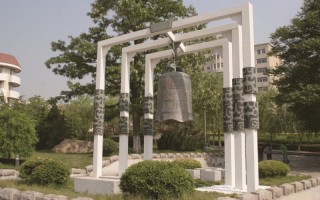
In the Spring and Autumn period, a thief had stolen a bell and intended to carry it away on his back, but the bell was too bulky and heavy to be carried, so he tried to break it into pieces with a hammer to make it easier for carrying. On his first hit, however, the bell made a loud noise. He thus feared that the ringing sound might be heard by someone, who would come to rob him of his bell. His fright made him plug his own ears, while hitting the bell with the hammer. The bell sound was, nevertheless, audible to others and therefore to stuff his ears for the purpose of stealing a bell was a stupid action it is as foolish as burying one's head in the sand.
from Huai Nanzi(淮南子著)
掩耳盗铃
在春秋战国时期,有一个小偷偷了一只钟。他准备把钟扛在背上带走。可是钟又大又沉,很难扛走。因此他想用锤子把钟敲成碎片,这样运起来就能多了。可是,他敲了一下,那只钟发出巨大的响声。他怕别人听到了钟声会来抢他的钟,于是他在锤子敲钟时捂上了自己的耳朵。不过,即使他这样做,别人还是听得到钟声的。所以掩耳盗铃是非常愚蠢的行为,就像把头埋在沙子中一样。
(淮南子著)
6.英语谚语故事一只猫的生命哲学:The Zen of Cat原来很大的道理不一定需要很难的语言去解释,本文简单地一问一答告诉我们,当身边的人离去时,他们其实活在我们的心里;告诉我们,生命原本是一个无所谓开始更无所谓结束的圆圈;告诉我们,每一段生命的结束都意味着新生命的开始。
只要心中还有爱,有思念,我们就可以笑对生死,珍惜人生。——题记 The Man was very sad. He knew that the Cat's days were numbered.The doctor had said there wasn't anything more that could be done,that he should take the Cat home and make him as comfortable as possible. The man stroked the Cat on his lap and sighed.The Cat opened his eyes, purred and looked up at the Man. A tear rolled down the Man's cheek and landed on the Cat's forehead.The Cat gave him a slightly annoyed look. “Why do you cry, Man?”the Cat asded.“Because you can't bear the thought of losing me? Because you think you can never replace me?”The Man nodded “yes.” “And where do you think I'll be when I leave you?”the Cat asked. The Man shrugged helplessly. “Close your eyes, Man,” the Cat said. The Man gave him a questioning look, but did as he was told. “What color are my eyes and fur?” the Cat asked. “Your eyes are gold and your fur is a rich, warm brown,” the Man replied. “And where is it that you most often see me?”asked the Cat. “I see you…on the kitchen windowsill watching the birds…on my favorite chair…on my desk lying on the papers I need…on the pillow next to my head at night.” “Then, whenever you wish to see me, all you must do is close your eyes,” said the Cat. “Pick up that piece of string from the floor——there, my 'toy.'” The Man opened his eyes, then reached over and picked up the string. It was about two feet long and the Cat had been able to entertain himself for hours with it. “Now take each end of the string in one hand,” the Cat ordered. The Man did so. “The end in your left hand is my birth and the end in your right hand is my death. Now bring the two ends together,” the Cat said. The Man complied. “You have made a continuous circle,” said the cat.“Does any point along the string appear to be different, worse or better than any other part of the string?” The Man inspected the string and then shook his head “no.” “Close your eyes again,” the Cat said.“Now lick your hand.” The Man widened his eyes in surprise. “Just do it,” the Cat said.“Lick your hand,think of me in all my familiar places, think about all the pieces of string.” The Man felt foolish, licking his hand, but he did as he was told. He discovered what a cat must know, that licking a paw is very calming and allows one to think more clearly. He continued licking and the corners of his mouth turned upward into the first smile he had shown in days. He waited for the Cat to tell him to stop,and when he didn't, he opened his eyes. The Cat's eyes were closed.The Man stroked the warm, brown fur, but the Cat was gone. The Man shut his eyes hard as the tears poured down his face. He saw the Cat on the windowsill, then in his bed, then lying across his important papers. He saw him on the pillow next to his head, saw his bright gold eyes and darkest brown on his nose and ears. He opened his eyes and through his tears looked over at the circle of string he still held clutched in his hand. One day, not long after, there was a new Cat on his lap. She was a lovely calico and white…very different from his earlier beloved Cat and very much the same. 男人非常伤心。
他知道猫余下的日子不多了。医生说已经没得治了,他只能把猫带回家,并尽可能地让他在剩下的时间里过得舒服些。
男人把猫放在腿上,叹了口气。猫睁开眼睛,呼噜呼噜地叫着,抬眼看了看男人。
一滴眼泪从男人的脸颊边滑落,落在了猫的额头上。猫有点不高兴地看了他一眼。
“你哭个什么啊,伙计?”猫问道,“因为你无法承受将要失去我的念头?因为你认为永远都没有什么能代替我?”男人点了点头。“是啊。”
“那么你认为我离开你以后,会到什么地方去了呢?”猫问道。男人无望地耸了耸肩。
“闭上眼睛吧,伙计,”猫说。男人疑惑地看了他一眼,但还是听话地闭上了眼睛。
“我的眼睛和毛皮是什么颜色的?”猫问。“你的眼睛是金色的,你的毛皮是浓郁而温暖的褐色的。”
男人回答道。 “那你最常在什么地方见到我呢?”猫问。
“我经常见到你……在厨房地窗台上看鸟……在我最喜欢的椅子上……躺在桌子上我需要用的文件上……晚上睡在我脑袋边的枕头上。”“那么,无论什么时候你想见我,你只要闭上你的眼睛就可以了。”
猫说。 “把地上的那段绳子捡起来——那里,我的‘玩具’。”
男人睁开眼睛,伸手捡起了绳子。绳子大约有两英尺(约0.6米)。
7.英语谚语故事狼来了 英文短剧剧本 THE WOLF IS COMING Character: a boy; a wolf; some farmers, a group of sheep, a storyteller 道具:鞭子、一棵大树、一座小山、三顶草帽、三根扁担、三把锄头、Scene One: farmers working in the field (第一场:三个农民在地里劳动) 1、音乐起,三个农民边唱边跳出场 歌词:We are farmers, we are farmers, happy happy happy! 2、三个农民在地里劳动 farmer A: Let's have a rest, OK? Farmer B C:OK! (农民下) Scene Two: A boy is shepherding ( 第二场:一个小孩在放牧) (男孩上,赶着一群羊, 然后走到树下休息) Boy: (挥舞着他手中的鞭子)Hmn, I feel very humdrum. There is nobody here to talk with me. How humdrum!(嗯,太无聊了。
这儿一个说话的人也没有。真没意思!) Sheep: Baa…(咩咩……) Boy: Um, I have a good idea. I am sure people will come soon.(嗯,我有了一个好主意.我相信人们很快就会来了。)
(大声喊)a wolf is coming .A wolf is coming.(狼来了。狼来了。)
Scene Two: Some Farmers Are Working(第二场:几个农民在干活) (山下,有几名农民在干活。他们听到了 男孩的声音。)
Boy: wolf is coming. A wolf is coming . Help!(狼来了。狼来了。
救命啊!) Farmer A: Hi, do you hear anyone crying? (嗨。你听见有人在喊叫吗?) Farmer B :(听) Yes. It's the shepherd's voice.(是啊,是那牧童的声音。)
Farmer C: (放下手中的活。) Yes. Let's go and help him. Let's kill the wolf. (是的,咱们去帮他。
快去打狼吧。) (越来越多的农民停下手中的活儿,拿着棍棒和农具上山了。)
Scene Three: The Farmers Are Fooled(第三场:农民被愚弄了) (农民们拿着棍棒和农具爬上山。) Farmer A: Where's the wolf? Where is it? Can you see it? (狼呢?它在哪儿?你看见了吗?) Farmer C: Hi! Little boy! Are you all right? We are coming to kill the wolf. Where is it going? (嗨!小孩。
你没事吧?我们是来打狼的。狼在哪儿?) Boy: Hahaha! Sorry. There's no wolf here. I'm joking. Haha…(哈哈哈!对不起,这儿没有狼,我开玩笑呢。
哈哈哈……) Farmer C: No wolf? You cheat us. It is not good to do this. (没有狼?你骗我们。这样做不好。)
Boy: Hahaha! What fools! Hahaha…… (哈!真傻!哈哈……) (农民们很生气,他们下山继续干活了。) (不久,农民们又听到来之山上的同样的叫喊声。)
Boy: A wolf is coming. A wolf is coming. Help! Help! (狼来了。狼来了。
救命啊!救命啊!) Farmer B (对 Farmer C说): Maybe the wolf is really coming. (或许这一次狼真的来了。) Boy: Help! Help! Wolf …(救命啊!救命啊!狼来了…….) Farmer C: Let's go to the hill and kill the wolf . (咱们上山打狼去。)
(他们向山顶爬,有人都累得爬不到山顶了。可是当他们爬到山顶时,却 发现根本没有狼。)
Boy: Hahaha! Don't angry with me, uncles. Why not sit down and have a chat? (哈哈哈!大叔大伯,你们别生气。坐下来跟我聊会天,好吗?) Farmer A: You naughty boy! (你这顽皮的孩子!你可不应该再骗人啊!下次再也没有人相信你了。)
Farmer B: The boy fool us again. Let's go!(这孩子又骗人,咱们走!) Farmer C: What a bad boy! Don't believe him. (这孩子真不象话!别在理了。) (男孩笑弯了腰。
农民们气愤地离开了。) Scene Four: A wolf Is Really Coming(第四场:狼真的来了) (一个晴朗的早上,小孩在山顶上放羊。
突然,他听到一阵怪叫声。狼真的来了。)
Boy: (他怕极了。) Wolf ! Wolf ! The wolf is really coming. Help! Help! (狼!狼!狼真的来了。
快救命啊!) Wolf: So many fat sheep. I can have a good lunch. (这么多肥羊。我能吃顿丰盛的午餐了。)
Boy: The wolf is coming. Help ! The wolf is coming. Help!(狼来了。救命!) (可是这一次没有人来。
狼咬死一只羊,又去追那孩子。小孩摔下山坡。
他被救了。 打那以后,他再也不敢撒谎了。)
英语小剧本-----小红帽 Little Red Riding Hood 第一场:Little Red Riding Hood家 Mum: (妈妈拿着一个篮子,把桌子上的水果放在篮子里) Little Red Riding Hood:(唱着歌,欢快地跑进来)Hi,mummy, what are you doing? Mum: (一边把水果放在篮子里,心事重重地说)Grandma is ill. Here are some apples and bananas for Grandma. Take them to Grandma. Little Red Riding Hood:(边提起篮子,边点头说)Ok! Mum: (亲切地看着Little Red Riding Hood说) Be good. Be careful. Little Red Riding Hood: Yes ,mummy.Goodbye, mummy. Mum: Bye-bye. Darling. 第二场:在路上 (一阵轻快的音乐由远而近,Little Red Riding Hood挎着篮子蹦跳跳地跳到花草旁) Little Red Riding Hood: Wow!Flowers, how beautiful! (放下篮子采花)One flower ,two flowers, three flowers. Wolf:(随着一阵低沉的音乐,Wolf大步地走上台)I am wolf. I am hungry. (做找东西状,东张西望) Here is a little red riding hood. Hi! Little Red Riding 。
8.有哪些常用的英文谚语cross your heart 你发誓 gate - crasher 不请自来的不速之客; take it easy 凡事看开些, 不要太冲动, 不要看得那么重 make yourself comfortable 不用约束 (招待客人时说的话) you are all wet 你完全误会了 she is hangover 她昨夜喝醉了 it's a matter of time 这是迟早的问题 she pulls out 她退出了 I have my limit 我的忍耐度有限 don't brush me off 不要敷衍我 let's get it straight 我们打开天窗说亮话吧 what you call this 你这算什么 how about a bite 随便吃些什么吧 you can count on me 你可以信得过我 he see things not people他论事不论人 we sang the same songs 我们志同道合 I hope you in the roll 我希望你也能来 let's go Dutch 我们各付各的吧 speak of the devil 说曹操, 曹操就到 keep in touch 保持联络 don't turn me down 不要拒绝我 don't let me down 别叫我失望 man proposes and god disposes 谋事在人成事在天 .the weakest goes to the wall.优胜劣败 to look one way and row another声东击西 .in everyone's mouth.脍炙人口 to kick against the pricks 螳臂挡车 .to give the last measure of devotion 鞠躬尽瘁 .to suffer for one's wisdom. 聪明反被聪明误 to harp on the same string. 旧调重弹 what's done cannot be undone 覆水难收 .to convert defeat into victory. 转败为胜 beyond one's grasp. 鞭长莫及 to be severe with oneself and lenient with others.严以责己宽以待人 a heart of steel. 铁石心肠 to be guided by destiny.听天由命 pride goes before a fall 骄者必败 .the supreme art of war is to subdue the enemy without 不战而屈人之兵 what is bugging you 什么事使你心烦 sworn brother 干兄弟, 盟兄弟 it's dying art 这是已失传的手艺 gentlemen agreement 君子协定 I'm trying to make ends meet 我尽力要使收支平衡 prosperity makes friends, adversity tries them.富贵结朋友, 患难见真情 if you wish to be the best man, you must suffer the bitterest of the bitter.吃得苦中苦, 方为人上人 it is better to fight for good than to fail at the ill.宁为善而斗, 毋屈服于恶 he who has hope has everything.怀有希望者, 便拥有一切 self-trust is the first secret of success自信心是成功的首要关键 the secret of success is constancy of purpose.成功的秘绝在于目标坚定有恒 success grows out of struggles to overcome difficulties.成功源于努力去克服困难 experience is the extract of suffering.经验是受苦的结晶 英语谚语 英语谚语指流传于英国和美国的比较简练而且言简意赅的话语。
英语谚语有一部分来自书面文献,主要出自希腊罗马神话、寓言故事、莎士比亚戏剧以及一些名家作品中。流传于民间口语中的谚语,伴随着文字的产生,开始出现在各种文学作品和文化典籍中。
这些源自文化典籍的"雅谚",有些是在民间口语说法的基础上提炼打磨而成,而有些则属独创,有着鲜明的文化色彩、语体特色和教育警策作用。英语谚语以其令人们熟知的形象和比喻体现了人们世代积累的经验和形成的价值观,它们作为社会共享的口头文学的袖珍版本,被成百上千次地引用,成为说服他人的论据,并用以指导日常生活。
谚语是民间集体创造、广为口传、言简意赅并较为定型的艺术语句,是民众丰富智慧和普遍经验的规律性总结。根据内容,可以分为四类:(1)气象谚语。
气象谚语是认识自然和总结生产经验的谚语,如"长虫过道,大雨要到"、"东北有三宝:人参、貂皮、乌拉草"等。(2)农业谚语。
农业谚语是农民在生产实践中总结出来的农事经验,如"枣芽发,种棉花"、"今冬麦盖三层被,来年枕着馒头睡"、"瑞雪兆丰年"等。(3)生活谚语。
生活谚语是人们根据卫生保健知识概括而成的谚语,如"寒从脚起,病从口入"、"早晨起得早,八十不觉老"等。(4)社会谚语。
社会谚语泛指为人处世、接物待人、持家治国等方面应注意的事,如:"量小非君子,无毒不丈夫"、"人不可貌相,海水不可斗量"、"若要人不知,除非己莫为"等。
以上就是高考网小编为大家介绍的关于有哪些英语谚语的典故问题,想要了解的更多关于《有哪些英语谚语的典故》相关文章,请继续关注高考网!
















艺考用户说说
友善是交流的起点